GTA 6 Systemic Simulation Explains the Controversial 30 FPS Lock

GTA 6's 30 FPS console target and $80 price debate expose a technical divide between surface visual expectations and heavy CPU-bound world simulation.
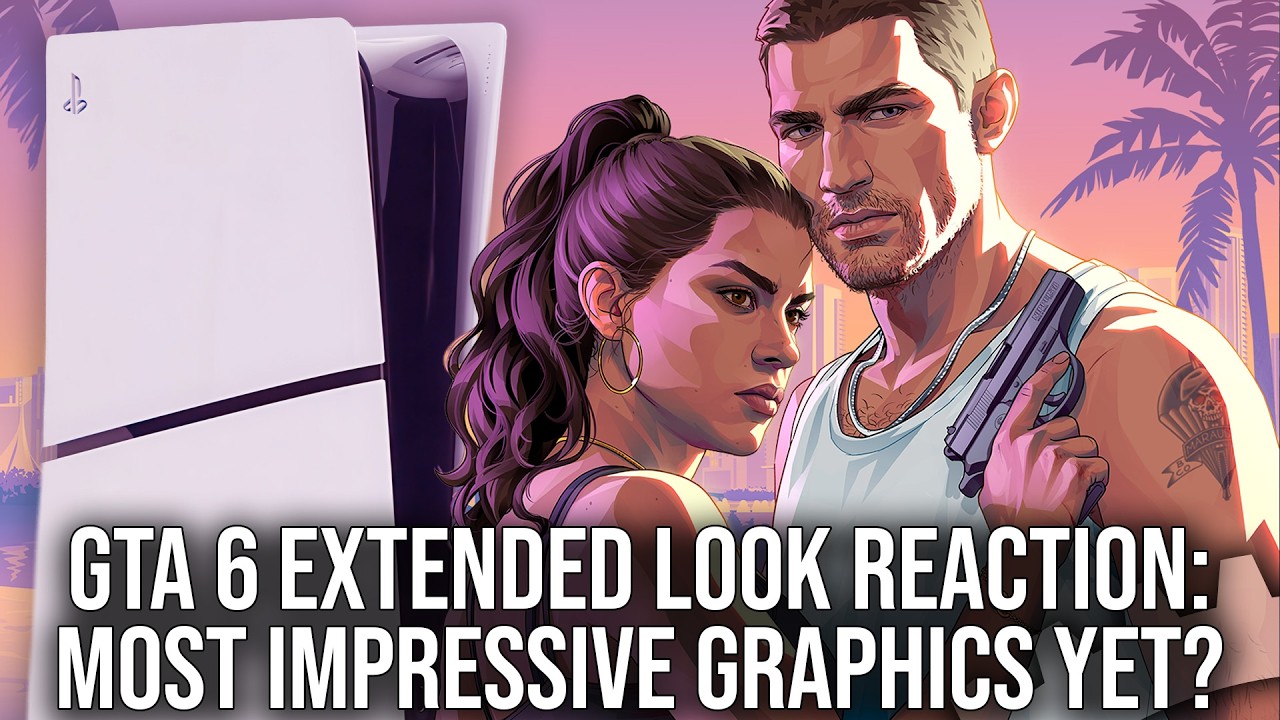
Twenty-seven minutes of raw PlayStation 5 capture peeled back Vice City's neon glaze, triggering an immediate argument over whether Grand Theft Auto VI is an eighty-dollar visual update or a CPU-bound simulation leap. Detractors see familiar boulevards, sports cars, and Florida satire running at thirty frames per second. Advocates cite technical leaks and creator analyses pointing to dynamic crowd logic, an estimated 600,000 bespoke animations, and memory-driven law enforcement that fundamentally break from Los Santos.
Leonida crowd AI and the 30 FPS PlayStation 5 CPU cap
Cruising Vinewood in Grand Theft Auto V relies on rigid, predictable pedestrian loops. GTA 6 targets thirty frames per second on current-generation hardware because the processor manages dynamic spatial routines, dense physics, and unscripted crowd reactions across Leonida—logic an IO Interactive AI programmer described as a decade ahead of standard open-world design.
As documented in our GTA 6 leak tracker, the engine prioritizes persistent world calculations over an arbitrary 60 FPS performance toggle. The console hardware misses 60 frames not because of rendering textures, but because the entire city runs continuous background simulations.
Bespoke animation density and GTA Online property scripts
In community breakdowns of recent GTA Online updates, players note how late-stage DLC relies on menu-based property automation instead of reactive mechanics. Comparing Rockstar's engine lineage in a discussion on property mechanics, community replies noted:
Nah, it also did shooting, movement and animations better, along with quite a few other things I cba listing out.
Technical breakdowns indicate GTA 6 deploys roughly ten times the animation volume of GTA 5. Pedestrians evaluate cover lines, film altercations on smartphones, or physically contest carjackings instead of cycling through canned panic routines. Bespoke motion capture drives distinct physical collisions without relying on procedural shortcuts.
Criminal Profile tracking and dynamic physical conditioning
The Criminal Profile system discards the arcade star-wipe mechanic of earlier games. In GTA 5, a respray at Los Santos Customs instantly wiped police memory. In Leonida, law enforcement tracks vehicle license plates, suspect clothing, and physical builds. Ditching a getaway car in Port Gellhorn leaves squad cars actively scanning for matching descriptions across district lines.
Physical conditioning directly alters Jason and Lucia. Skipping sleep during multi-day crime sprees degrades stamina, slows weapon draws, and visibly weathers character faces, while diet and exercise affect body mass and sprint recovery. These mechanics evolve Red Dead Redemption 2's survival layers without bogging down the urban crime sandbox.
Shark Cash Cards, GTA+ subscriptions, and single-player campaign monetization
While the Rockstar Games Store currently packages GTA V around Shark Cash Cards and GTA+ subscriptions, GTA 6 launches with a standalone narrative campaign free of microtransactions and generative AI shortcuts. A reported 572 percent surge in pre-orders signals strong player willingness to trade 60 FPS fluidity for dense environmental reactivity.
The next technical verdict will arrive when hands-on frame-rate analysis tests whether heavy CPU crowd simulation and collision physics hold a locked 30 FPS during multi-car police pursuits across downtown Vice City.

GTA 6 Locks 30 FPS on PS5 to Power an 80-Hour Leonida Campaign
News
How Fans Are Mapping GTA 6: Trailer Sightlines, Not a Rockstar Atlas
News / Guides / Rumors
Rockstar Sidesteps Perishable Politics to Keep Vice City Parody Durable
News
The missing first-person camera behind GTA 6 community skepticism
News
GTA 6 Replaces Graphic Romance Minigames With an Optional Bond System
News Police who keep your face will not settle GTA VI's writing fight
 What GTA 6 Fans Are Talking About Before November 19
 Tribunal filing: Rockstar treated a 32-player online format as a secret
 IGN's GTA 6 theft tape: cloners, search cones, and the two-second grab is gone
 Console shortages will not pull GTA 6 onto PC with the consoles