The End of the Tap Sprint and the Grounding of Vice City
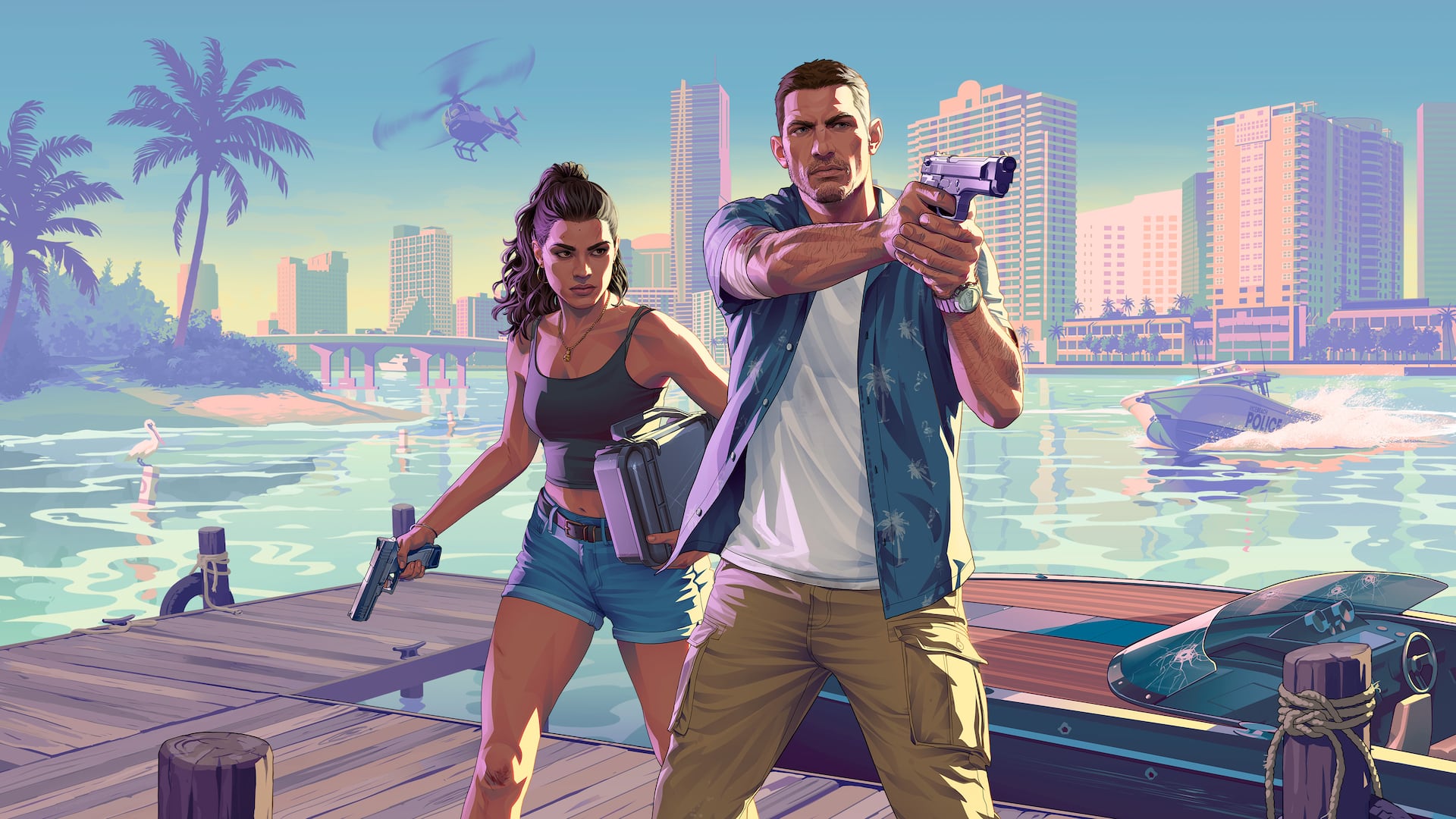
Rockstar Games modernizes Grand Theft Auto VI by replacing the legacy tap sprint with an L3 toggle, making Lucia and Jason's romance optional, and deploying 600,000 hand-crafted animations to build physical weight.
Confirmed Studio reporting outlines optional romance systems, manual animation libraries, and analog sprint controls.
L3 clicks in and your thumb stays down. Twenty-five years of tapping the face button to cross Los Santos or sprint away from a five-star wanted level quietly vanish into the left stick. As tracked across the roster of GTA 6 characters, the control shift signals a deeper design evolution: Rockstar Games is replacing the arcade detachment of Grand Theft Auto V with physical exertion, deliberate friction, and emotional intimacy between its leads.
Optional romance and autonomous routines
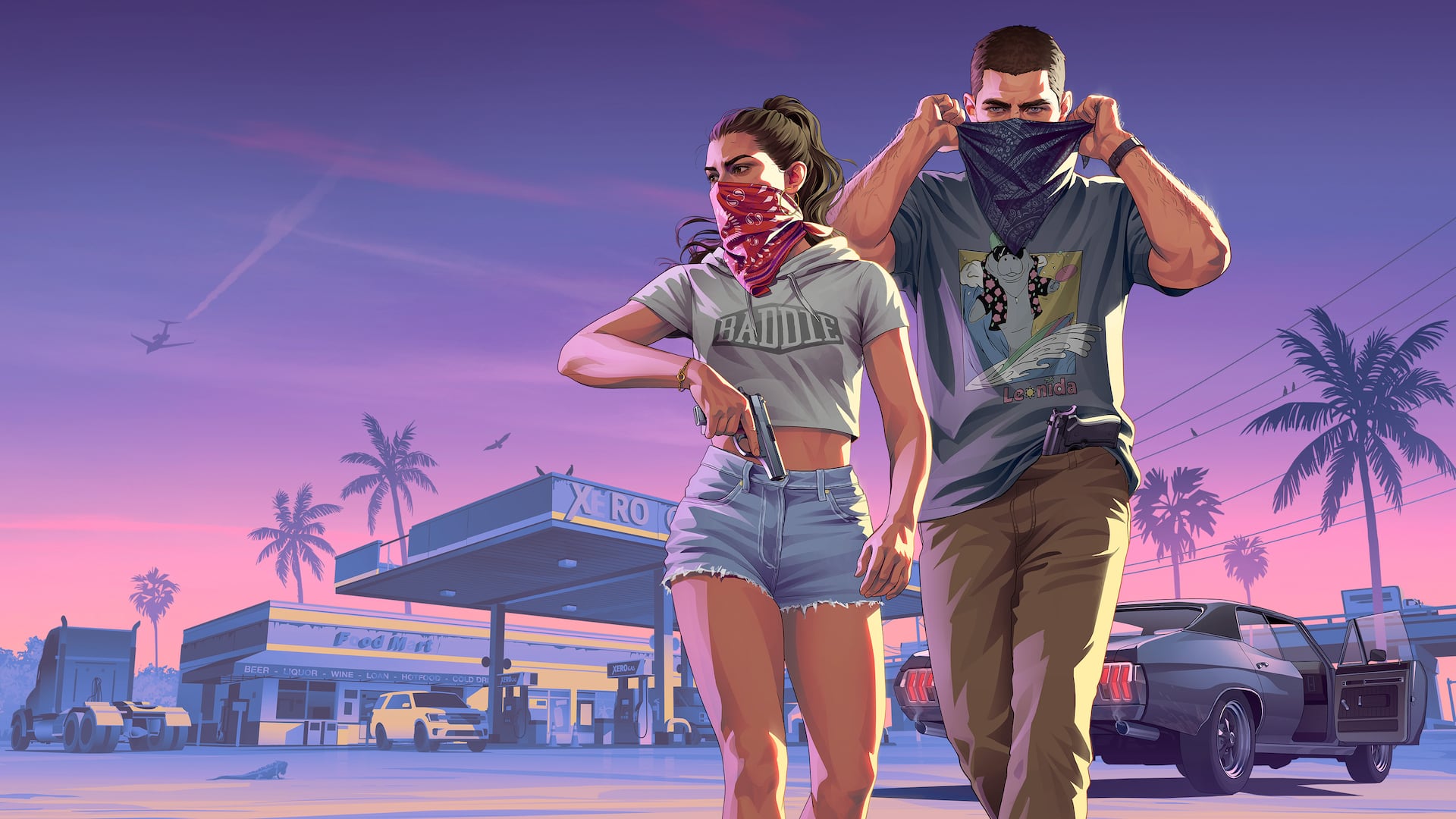
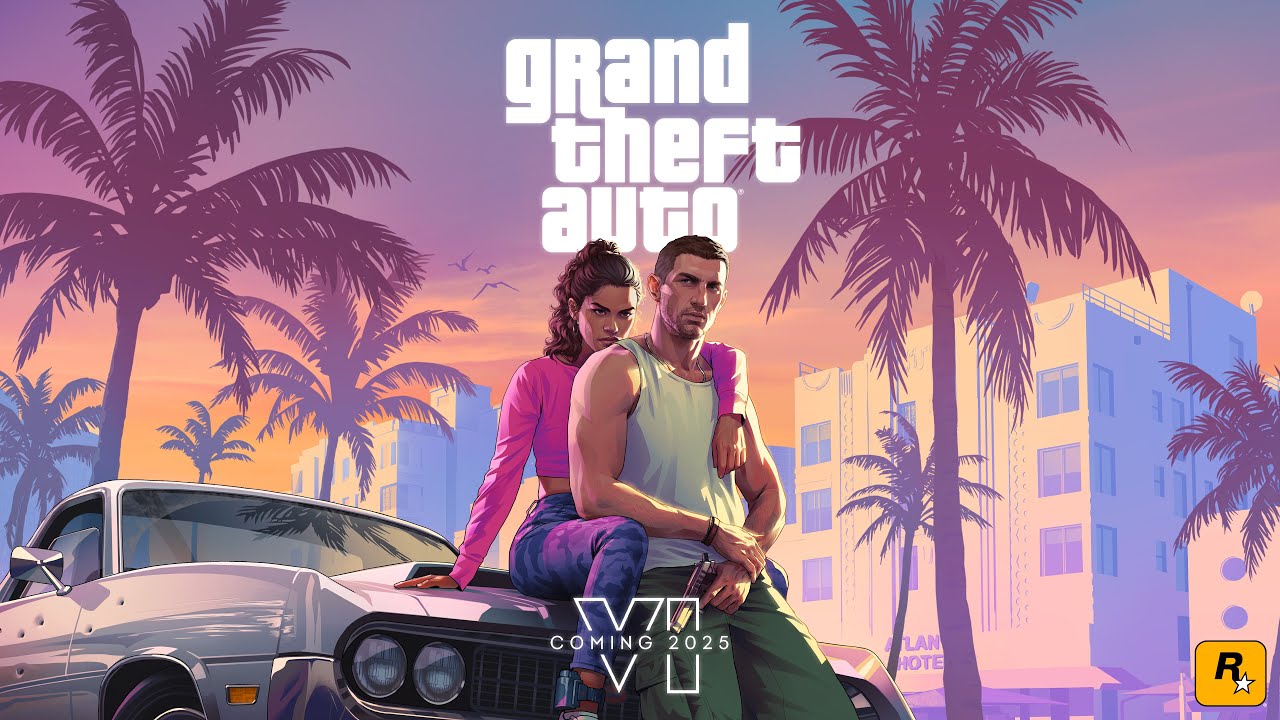
Lucia Caminos and Jason Duval anchor the story, but their dynamic is not an unbending script. Early details analyzed by GameSpot reveal that romance is mechanically optional. Everyday cooperation, from holding open doors and sending check-in texts to pulling off armed robberies, steadily builds rapport. Players who ignore those gestures keep the partnership strictly professional, altering mission dialogue and narrative outcomes.
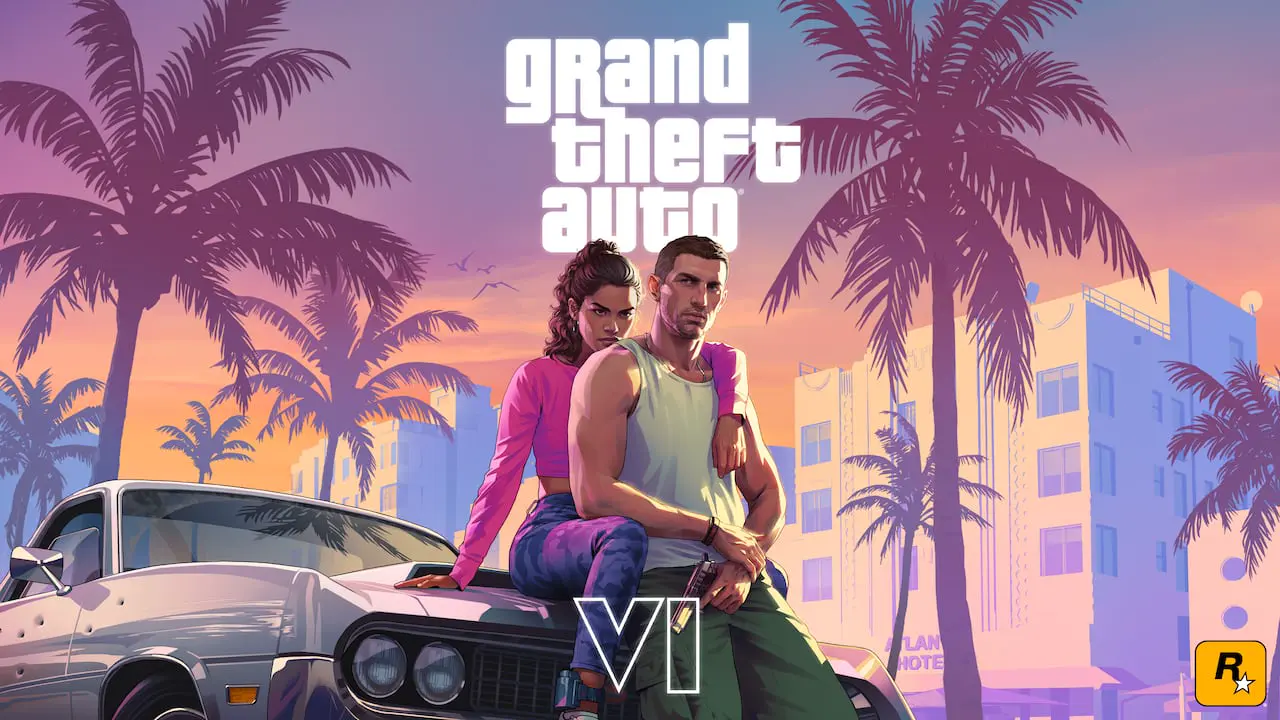
Both protagonists also follow independent daily routines. When you switch to Jason, Lucia does not freeze in place like Michael's family in Rockford Hills; she heads across Vice City for kickboxing sessions or runs personal errands across Leonida. Intimacy is similarly restrained, tuned away from exaggerated spectacle to keep character interactions grounded. As Polygon noted in its analysis of the series' first modern female lead, this depth shifts Grand Theft Auto from detached caricature toward responsive character drama.
The weight of 600,000 bespoke animations
Rockstar assembled more than 600,000 hand-crafted animations for Grand Theft Auto VI—doubling Red Dead Redemption 2 and eclipsing GTA V tenfold—without relying on generative artificial intelligence. A specialized Los Angeles studio modeled diverse body types, while breakdowns from IGN show locomotion reacting directly to fatigue, terrain elevation, and Leonida's heat.

That animation library powers granular physical systems: character bodies reflect gym workouts, sleep cycles, and multi-day benders. Vehicle theft carries matching logistical friction. Early in the campaign, players can register only three vehicles before purchasing extra garage space, and boosting cars requires tools like slim-jims or key cloners instead of instant hotwiring.

Retiring the classic sprint tap for L3
Reporting from Eurogamer confirms the classic face-button sprint tap is retired after a quarter-century. Since GTA III, hammering Cross or A tied real-world finger fatigue to in-game exertion, but locked the right thumb away from camera control during firefights. Shifting sprint to an L3 stick toggle preserves continuous sprint while freeing camera movement, reshaping shootouts and foot pursuits against aggressive police units.
Veterans defend the legacy tap cadence for its tactile rhythm, while others welcome standard shooter ergonomics. The next milestone belongs to the official gameplay overview on the Rockstar Newswire: will Rockstar include a legacy controller preset for veteran fingers, or has the analog stick permanently retired the 25-year sprint tap?
GTA 6 Is Locked for 19 November 2026. Six Wagers Are Still Wagers
News
Lucia and Jason in GTA 6: What Trailers Show and What Fans Added
News / Rumors
GTA 6 Cash Is Physical Until You Bank It, and Story Missions Wait
News
GTA 6 Officially Names Lucia Caminos and Jason Duval, Not Bonnie and Clyde
News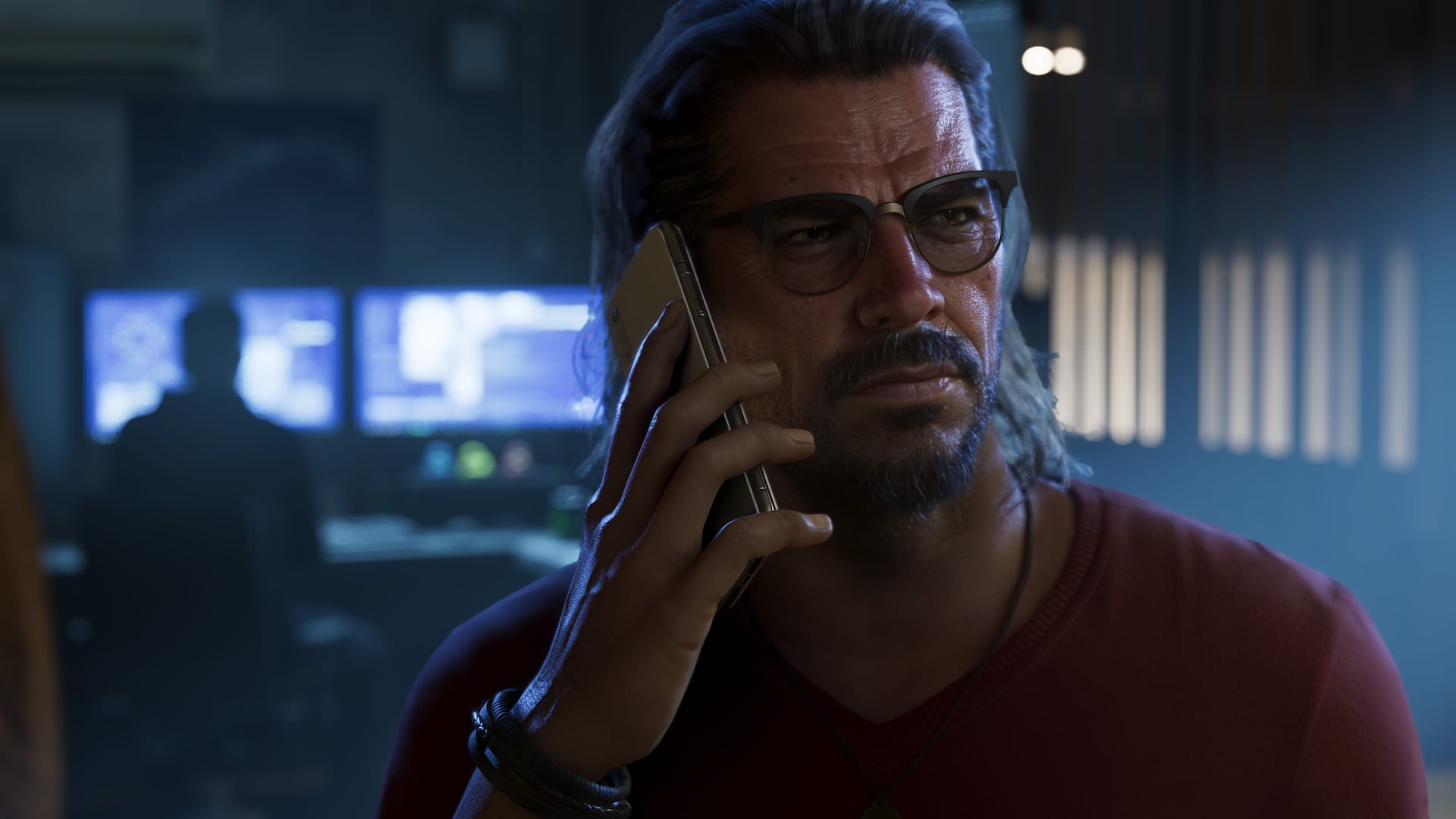
GTA 6 Character Clips: Lucia, Jason, and Six Names on the Wall
News / Official News / GTA VI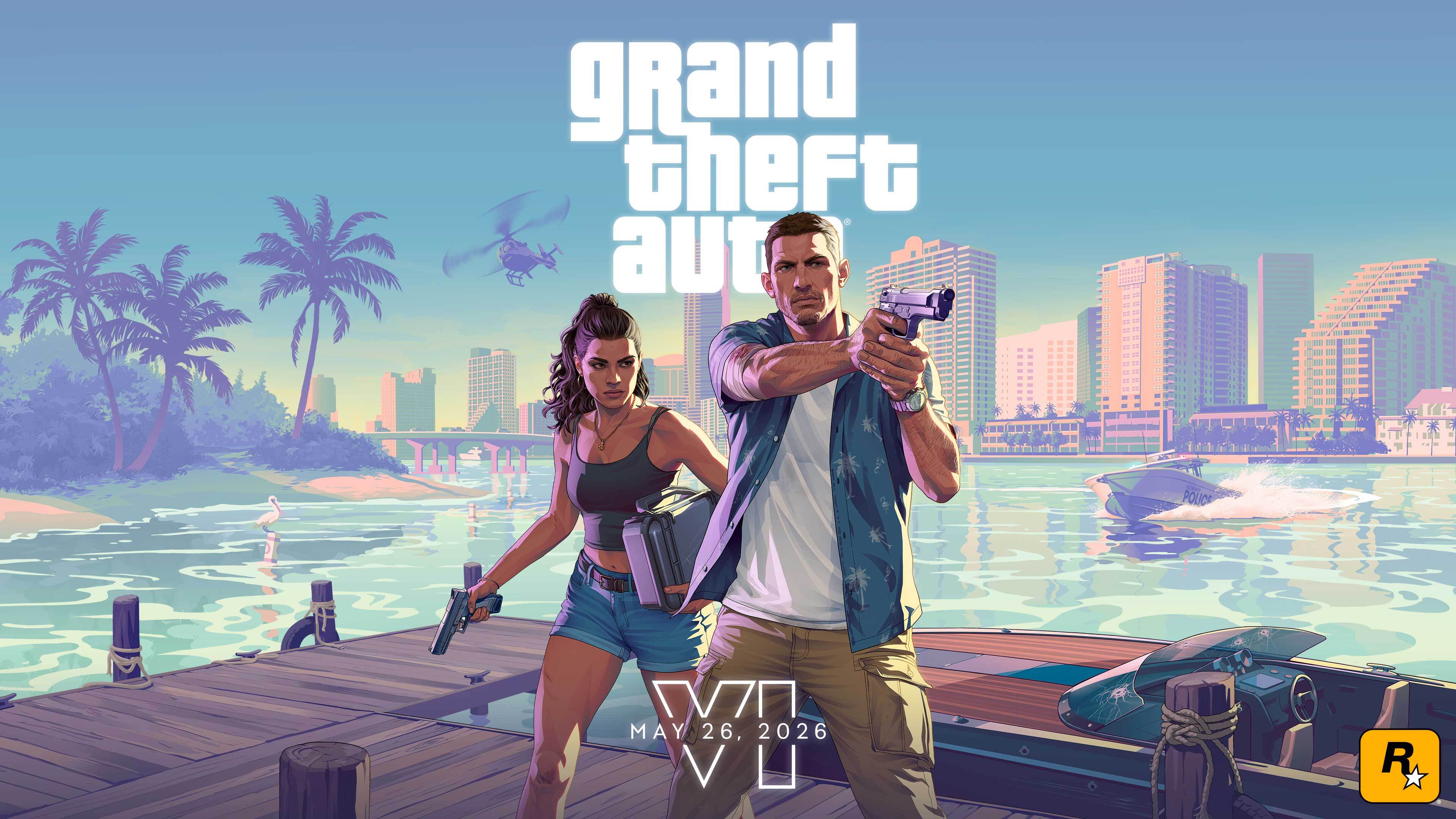 Police who keep your face will not settle GTA VI's writing fight
 What GTA 6 Fans Are Talking About Before November 19
 Tribunal filing: Rockstar treated a 32-player online format as a secret
 IGN's GTA 6 theft tape: cloners, search cones, and the two-second grab is gone
 Console shortages will not pull GTA 6 onto PC with the consoles